Trócaire seeks stronger partnership with Rwanda to support former combatants’ reintegration
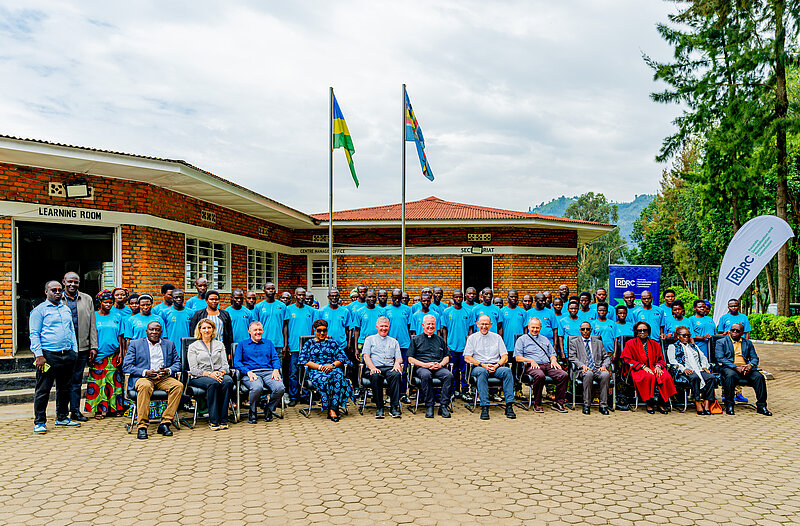
Irish humanitarian organisation Trócaire, operating under the Catholic Church, is exploring a deeper partnership with Rwanda to support the social and economic reintegration of former members of armed groups and their families, following a visit to the Mutobo Demobilisation Centre.
Trócaire Chief Executive Officer Seán Farrell, accompanied by a delegation including Auxiliary Bishop of Dublin, Bishop Paul Dempsey, visited the centre to gain first-hand insight into its operations and explore opportunities for collaboration with the Rwandan Government.
The delegation was received by Valerie Nyirahabineza, Chairperson of the Rwanda Demobilisation and Reintegration Commission (RDRC), her deputy, retired Major General Jack Nziza, and other commissioners.
Farrell said the visit was intended to help Trócaire understand the centre’s work and identify practical ways of supporting beneficiaries both during their stay at Mutobo and after their return to their communities.
“We want to explore opportunities for collaboration at two levels: supporting beneficiaries while they are at the centre and continuing to assist them after their reintegration into their communities,” he said.
He also commended Rwanda’s progress since the 1994 Genocide against the Tutsi, noting that Ireland’s own experience of conflict had given it an appreciation of the importance of peacebuilding and reconciliation initiatives.
Nyirahabineza said Trócaire was considering developing a five-year strategic plan that would incorporate the RDRC’s activities and complement the Rwandan Government’s efforts.
She added that discussions on the proposed partnership were ongoing, with any interventions expected to align with the Commission’s existing programmes and priorities.
Mutobo centre currently hosts 527 beneficiaries
The 78th cohort of the Mutobo programme currently comprises 527 beneficiaries, including 228 adult former combatants of the Democratic Forces for the Liberation of Rwanda (FDLR), 13 former child soldiers, 144 family members and 142 people from the movement’s civilian structures.
The centre also accommodates 67 women who experienced sexual violence and exploitation within the FDLR.
According to the actual numbers, 90 per cent of former FDLR members returning to Rwanda are young people born in jungles of eastern Democratic Republic of Congo after the 1994 Genocide against the Tutsi.
The proposed partnership with Trócaire could strengthen support for these returnees, helping them rebuild their livelihoods, achieve greater economic independence and establish sustainable lives within Rwandan society.
Beyond immediate reintegration support, the initiative reflects the importance of international partnerships in addressing the long-term social and economic challenges facing former combatants and their families as they transition to civilian life.
END