Rwanda: 300 War-Disabled RPA-Inkotanyi Veterans Visit Historic Liberation Sites
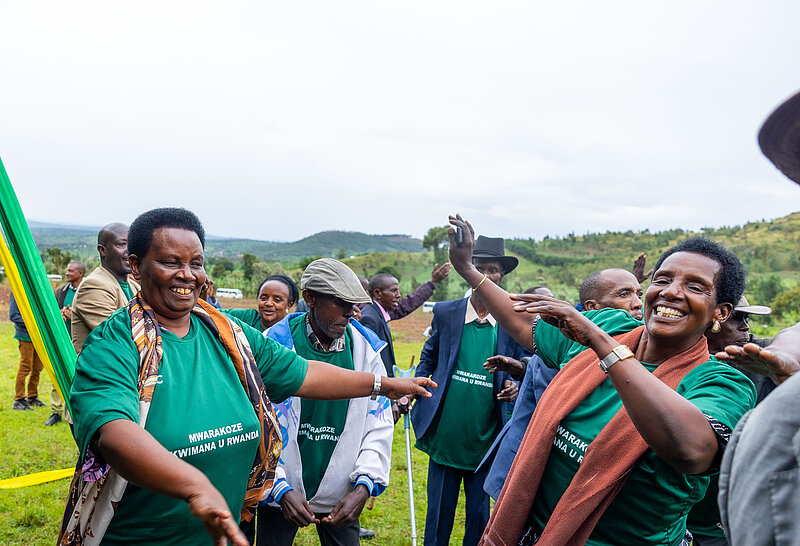
KIGALI, Rwanda — Some 300 veterans of the Rwanda Patriotic Army (RPA-Inkotanyi) who sustained disabilities during the liberation struggle have concluded a two-day visit to key historical sites associated with Rwanda’s liberation war and the efforts to stop the 1994 Genocide against the Tutsi.
The visit, held on October 22–23, 2026, was organised by the Rwanda Demobilisation and Reintegration Commission (RDRC) to honour those ex-combatants for their sacrifice, patriotism and contribution to the liberation of Rwanda and the halting of the Genocide against the Tutsi.
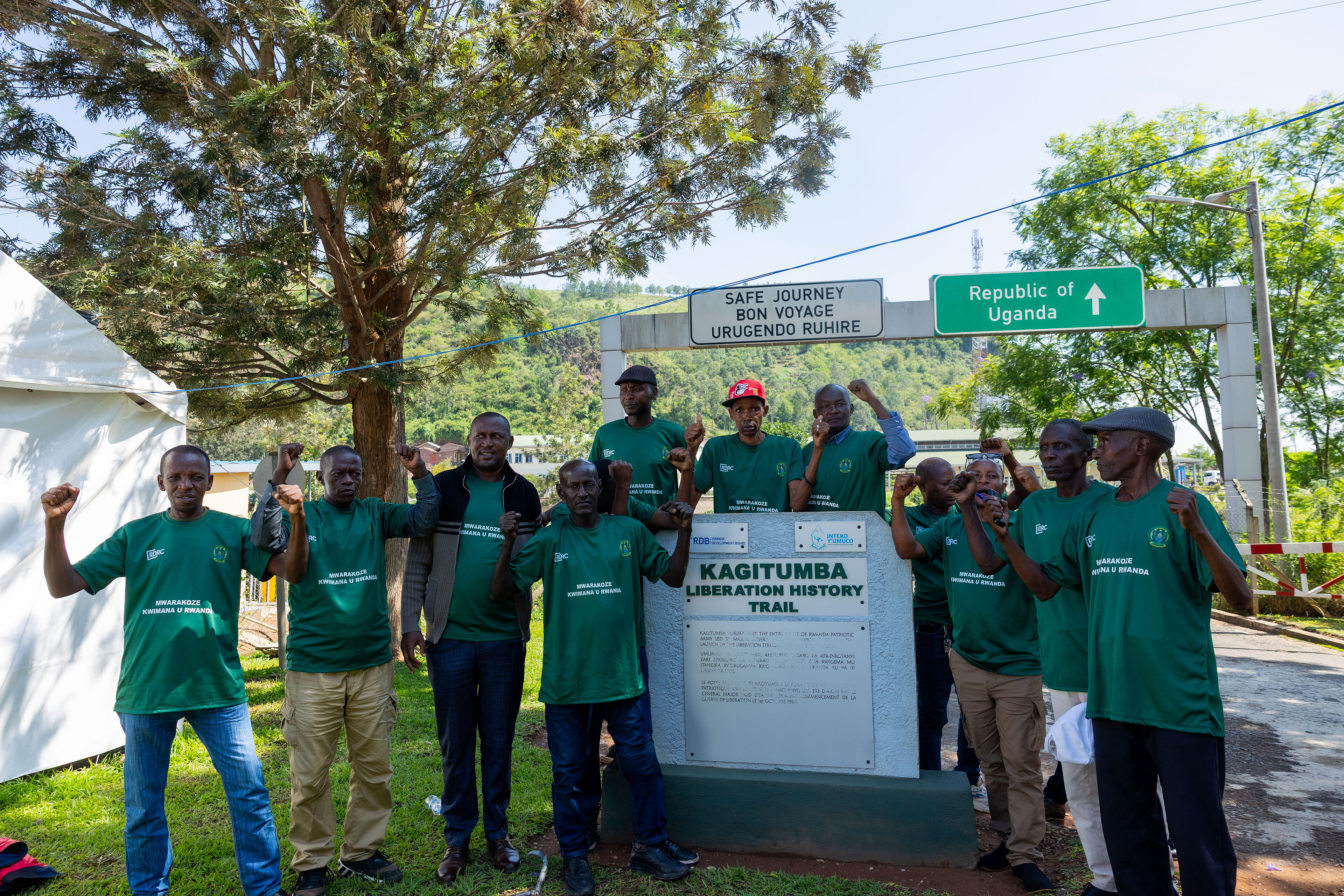
During the tour, the veterans visited several sites of historical significance, including Kagitumba, along Rwanda’s border with Uganda, where the liberation struggle began in October 1990, as well as Gikoba and Umulindi w’Intwari, which are associated with the country’s liberation history.
The group was accompanied by RDRC leadership, including Valérie Nyirahabineza, the Chairperson and the commission’s deputy chairperson, Maj. Gen. (Rtd) Jacques Nziza, Commissioners and staffs.
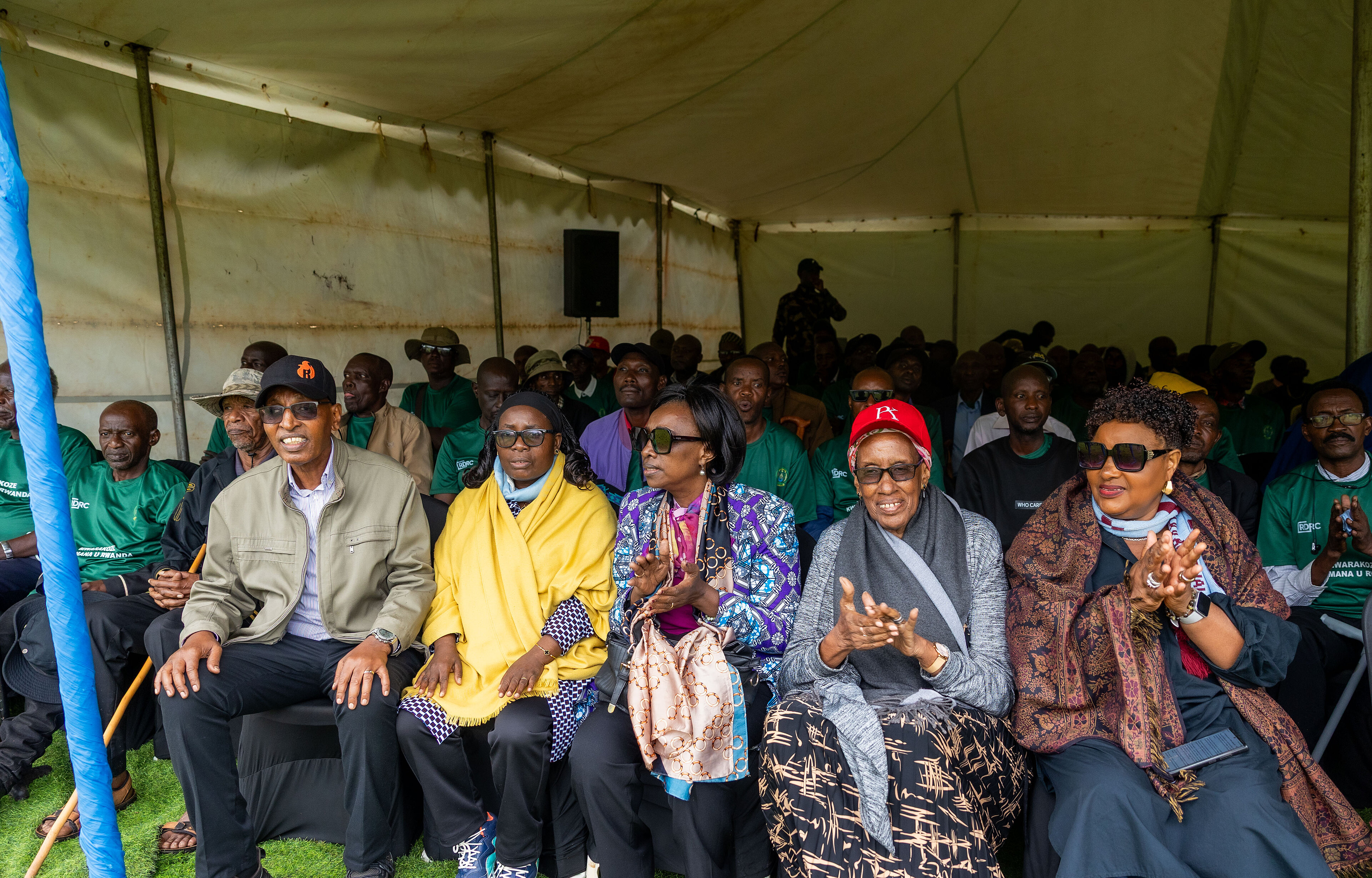
Addressing the ex-combatants, the RDRC leadership expressed gratitude to President Paul Kagame, the Commander-in-Chief of the Rwanda Defence Force (RDF), for leading the liberation struggle, which brought an end to systemic discrimination, persecution and the Genocide against the Tutsi, and for spearheading efforts to rebuild a united and secure Rwanda.
The commission also paid tribute to the veterans for their courage, resilience, patriotism and unwavering commitment, noting that their sacrifices continue to underpin Rwanda’s peace and stability.
“Through their sacrifice, they helped give us a country free from division and discord. This visit is intended to honour them and express our profound gratitude for what they did,” the RDRC leadership said.
The veterans, in turn, expressed appreciation to the Government of Rwanda and the RDF leadership for the continued support they receive.
They said the visit offered an opportunity to reconnect with the history of the liberation struggle and reaffirmed their belief that the values for which they fought continue to guide Rwanda’s pursuit of peace, unity and national development.
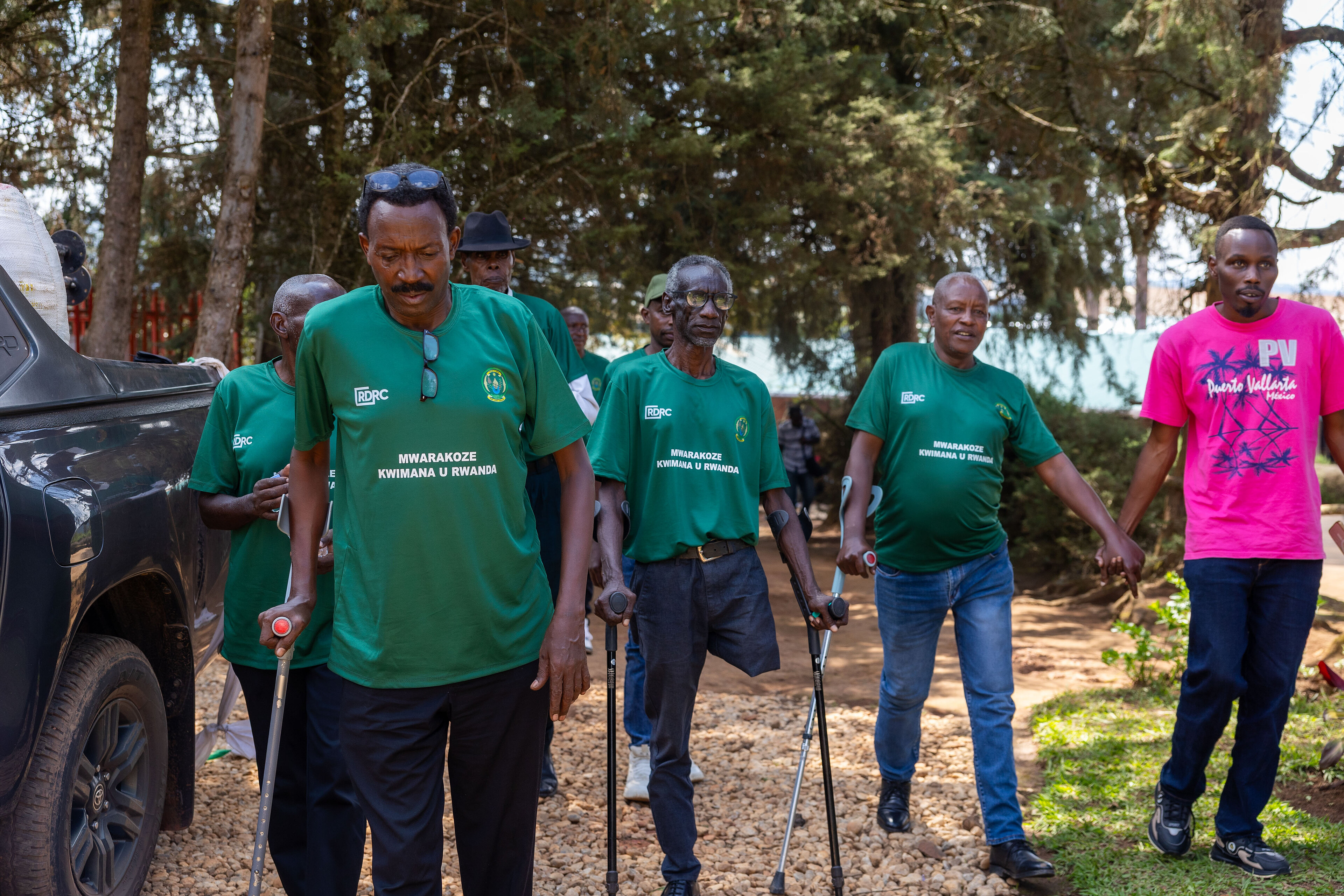
Augustin Nzabamwita, one of the veterans, said the opportunity to live in a peaceful Rwanda, free from the prospect of becoming a refugee again, remained a source of pride.
“We had no other choice. We could not return to Uganda and expect to be welcomed back. We had to fight, either to die or to survive,” he said, reflecting on the circumstances that led them to join the liberation struggle.
Another veteran, John Murigande, said he had no regrets about the sacrifices he had made.
“We do not regret it because we did not become disabled in vain. What we fought for has been achieved, and it continues to be realised,” he said.
The visit also carries an important message for young Rwandans born after the Genocide against the Tutsi, highlighting the importance of selfless service to the nation, putting the collective interests of all Rwandans first, and safeguarding national unity and development. The veterans’ experiences serve as a reminder that the country’s progress depends on a shared commitment to the common good.
The visit was the second of its kind, following an inaugural trip in May 2026. The initiative is expected to be extended to other veterans as part of ongoing efforts to recognise their contribution to the country’s liberation and post-war recovery.
END