German MPs Visit Mutobo, Applaud Rwanda’s Peace Efforts
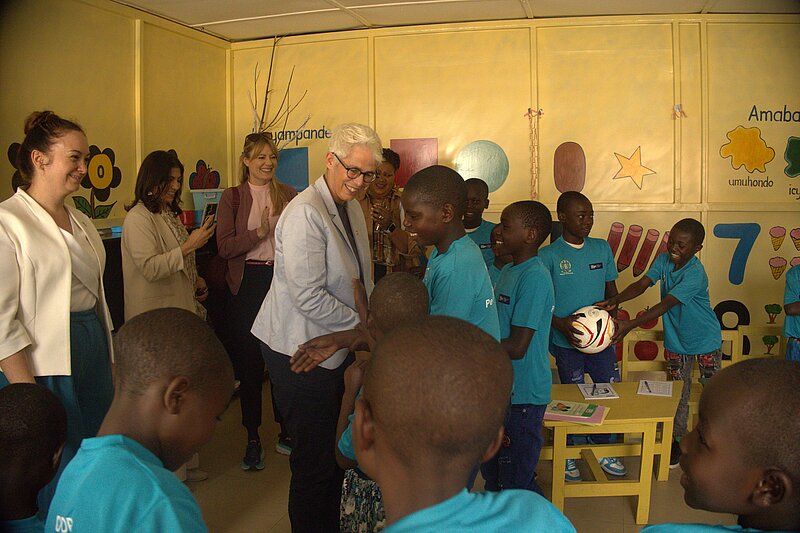
A delegation from the German Parliament yesterday visited the Mutobo Demobilisation and Reintegration Centre, where members gained first-hand insight into Rwanda’s efforts to receive, demobilise and reintegrate individuals who voluntarily abandon the Democratic Forces for the Liberation of Rwanda (FDLR), an armed group that continues to pose a serious security threat to the Great Lakes region.
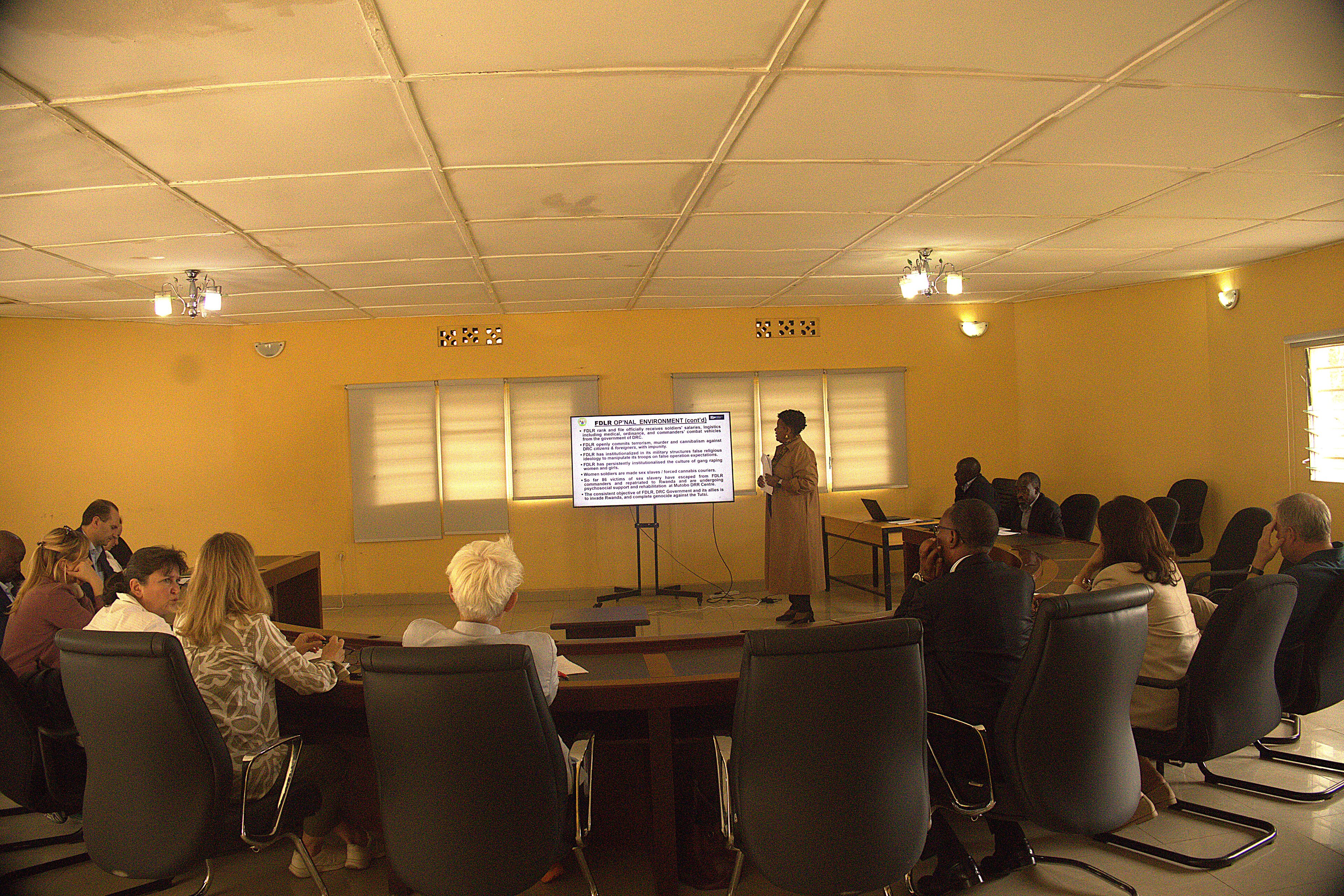
During the visit, the delegation was briefed by the Rwanda Demobilisation and Reintegration Commission (RDRC) on the country's reintegration programme and its efforts to help former FDLR combatants transition from military life to civilian society. Members also met former combatants and heard personal accounts of the violence, abuses and challenges they experienced while associated with the armed group.
The delegation heard particularly disturbing testimonies from women who had survived sexual slavery, torture and other forms of abuse at the hands of FDLR fighters. They also met young boys who had recently escaped from the group after being recruited and used as child soldiers.
RDRC officials emphasised that Rwandans returning from the FDLR do so voluntarily, out of their own free will. They further clarified that no Rwandan FDLR member had returned through arrangements facilitated by the Government of the Democratic Republic of Congo (DRC). The continued presence and activities of the FDLR, they noted, remain a major obstacle to peace and security in the Great Lakes region.
Explaining the purpose of the visit, the head of the delegation, Clara Bünger, MP, said Rwanda had been chosen in recognition of its contribution to peacebuilding.
"We came to Rwanda because of the remarkable work you are doing to build peace," she said.
The guests interacted with former FDLR
Asked what had impressed him most about Rwanda after his repatriation, Major General (Demob) Augustin NSENGIMANA said the country's leadership and commitment to equality and inclusive development stood out.
"Since arriving in this country, we have witnessed good leadership that treats all citizens equally and is committed to improving their lives without discrimination or leaving anyone behind," he said.
The visit also provided an opportunity for former combatants to reflect on how their return to Rwanda had changed their outlook on life, particularly their responsibilities towards their families.
Colonel (Demob) Idrissa BIZIMANA, a former FDLR officer, told the delegation that while living in the DRC, his children were effectively held hostage by the circumstances surrounding their lives and were denied the opportunity to enjoy their fundamental rights, including access to education.
Now that the family has been repatriated to Rwanda, he said his greatest aspiration is to see his children return to school, pursue higher education, including university studies, and build better futures for themselves.
His testimony highlighted the profound personal transformation that comes with leaving armed conflict behind and embracing the opportunity to rebuild family life in a peaceful environment.
The delegation also visited trainees undertaking vocational education at Mutobo. The students explained how the practical skills and knowledge they are acquiring will help them become self-reliant and prepare them for successful reintegration into their communities.
Beyond vocational skills, they said, the programme equips them with values that promote peaceful coexistence and respect for others, helping them reject divisive ideologies and live harmoniously with the communities to which they will return.
The former combatants expressed gratitude to Rwanda for welcoming them and giving them an opportunity to start afresh. Having once been associated with a group that threatened the country's security, they said they were now determined to contribute positively to national development and lasting peace.
Addressing the former combatants, Clara Bünger commended their determination to turn away from violence and encouraged them to remain committed to building peace.
"We thank you from the bottom of our hearts. You have overcome a past marked by violence, and today you are champions of peace. We need everyone to become an agent of peace," she said.
One of the returnees, NIZEYIMANA Wenceslas, also shared his personal journey, explaining how he ended up in the DRC after some of those involved in the 1994 Genocide against the Tutsi had fled there.
During discussions with the delegation, former combatants explained how they had abandoned the genocidal ideology they once embraced while living in the forests. However, they warned that this ideology remains deeply entrenched within the FDLR, where hatred and hostility towards Tutsi community continue to be propagated.
They cautioned that the continued spread of genocidal ideology poses a threat not only to Rwanda but also to reconciliation, stability and lasting peace across the wider Great Lakes region.
The former combatants called on the German MPs to strengthen advocacy efforts in European countries and encourage the international community to take a firm stand against genocidal ideology. They stressed the importance of preventing history from repeating itself and ensuring that the Genocide against the Tutsi, which claimed more than one million lives in 1994 while much of the international community failed to intervene, is never repeated.
At the conclusion of the visit, the German delegation commended the work of the Mutobo Centre, describing its demobilisation and reintegration programme as an important contribution to peacebuilding.
The members said the visit had offered valuable lessons on rehabilitation, reconciliation and the importance of providing former combatants with an opportunity to abandon violence and become constructive members of society.
END